

Заполните Ваши данные, мы с вами обязательно свяжемся

Contact


Contact
A technical audit in construction is an independent assessment of the actual condition of a construction project as of a specific date.
Unlike continuous technical supervision, a construction audit may be carried out as a one-time inspection: before project acceptance, when changing contractors, before resuming suspended construction works, or prior to making an investment decision.
A construction audit makes it possible to compare the design and as-built documentation with what has actually been completed on site, identify defects, unverified quantities, and violations of construction technology.
The scope of the audit depends on the condition of the facility and the client’s objectives.
A technical audit of a construction facility usually includes a review of documentation, site inspection, selective measurements, quality assessment of completed works, and preparation of a technical conclusion.
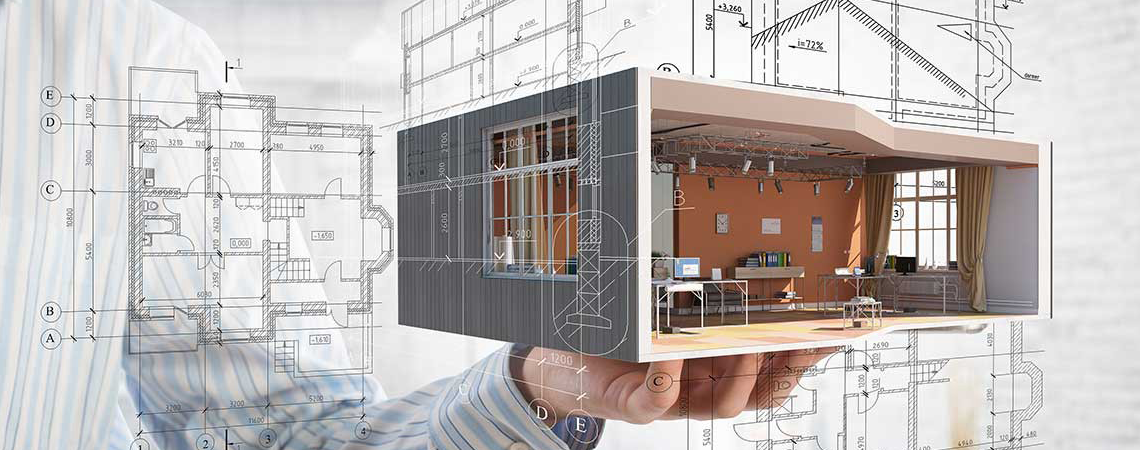
Building design establishes the solutions according to which the facility should be constructed.
During the audit, specialists verify whether the actual structures, engineering systems, and materials used comply with the approved design solutions.
If the client needs to check not only the technical aspects but also payments, cost estimates, and the justification of expenses, financial and technical control of construction is carried out.
A construction audit is advisable when the client does not have complete and reliable information about the actual condition of the project.
The most common situations include:
— preparation of the facility for acceptance
— replacement of the general contractor
— prolonged suspension of construction
— concerns about the quality of works
— discrepancies between reported and actual progress
— lost or incomplete project documentation
A technical audit of a construction project may also be carried out when there are repeated schedule delays, increasing volumes of additional works, or recurring defects.
The audit begins with determining which documents are available. Specialists review approved design solutions, working drawings, engineering survey results, design changes, contracts, technical specifications, and supplier documentation.
Particular attention is paid to whether the changes actually implemented on site were properly approved. Works carried out on the basis of verbal instructions or unapproved drawings create a risk of rework and disputes during acceptance.
Verification of construction compliance with the design should cover not only structural dimensions, but also material grades, locations of engineering networks, connection details, required tests, and safety requirements.
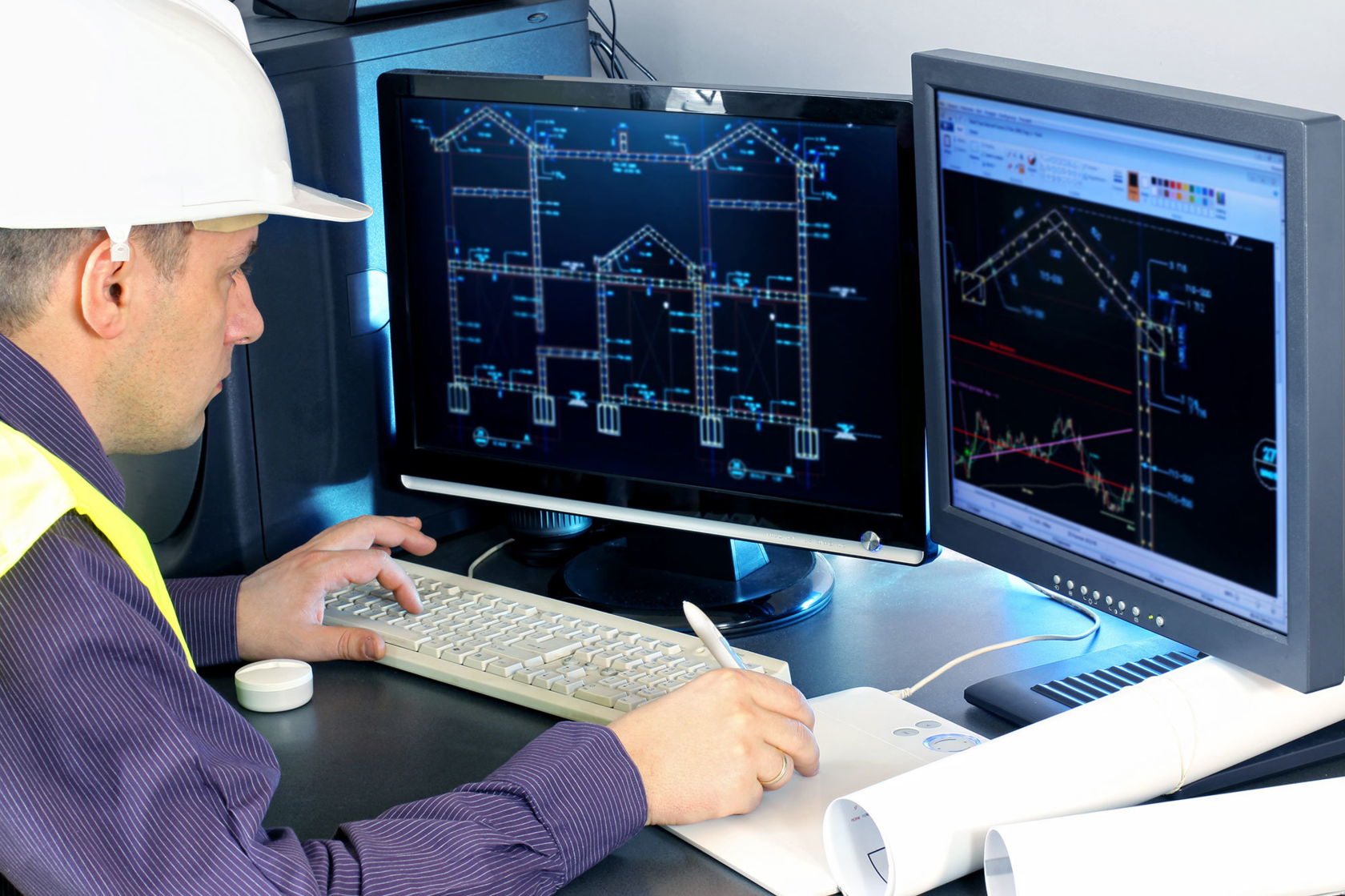
As-built documentation shows how the facility was actually constructed.
During the audit, specialists review work logs, concealed works reports, as-built drawings, material passports and certificates, test reports, and acceptance documents for critical structures.
The documents are cross-checked with each other and with the actual condition of the facility. The existence of a signed report alone does not confirm that the work was performed correctly if the as-built drawing does not correspond to the actual structure or mandatory test results are missing.
Construction quality inspection includes visual examination of accessible structures, measurement of geometric parameters, and assessment of visible defects.
Depending on the facility, specialists may check concrete strength, reinforcement positioning, quality of welded joints, vertical alignment of structures, system tightness, and compliance of finishing works with the design.
Geodetic measurements and laboratory testing may also be used where necessary.
If cracks, deformations, or signs of reduced load-bearing capacity are identified, a standard technical audit is not sufficient. In such cases, a technical inspection of the building is required.
The technical audit procedure generally consists of four main stages.
The client and the auditor define the objectives of the audit, the boundaries of the facility, the required documentation, and the necessary depth of the assessment.
Specialists identify missing documents, unapproved changes, and inconsistencies between design, working, and as-built documentation.
A visual inspection, photographic documentation, measurements, and selective testing are carried out.
The results are compared with the design documentation, inspection reports, and contractor progress reports.
The technical audit report includes identified violations, an assessment of their significance, any additional inspections required, and recommendations for further action.
A technical audit before acceptance of the facility makes it possible to identify violations before final acceptance documents are signed and final payments are made to the contractor.
The audit checks the facility’s compliance with the design documentation, readiness of engineering systems, correction of previously identified deficiencies, and completeness of as-built documentation.
Technical audit and technical supervision address related but different tasks.
Technical supervision is carried out continuously during construction. It includes participation in the acceptance of concealed works, control of compliance with organisational and technological documentation, and issuance of mandatory instructions for correcting violations.
A technical audit in construction is usually a one-time independent assessment of the existing situation and does not replace the technical supervision required by applicable regulations.
A construction technical audit covers the facility, documentation, quality of works, and organisation of control.
A technical inspection focuses on the actual condition of structures, identification of damage, and assessment of their suitability for further operation.
If the audit identifies signs of reduced structural reliability, the results may serve as the basis for a detailed technical inspection, instrumental testing, and verification calculations.
The results of a technical audit are issued in the form of a report or technical conclusion. The document should contain not only a list of defects, but also their locations, possible consequences, supporting photographs, references to design requirements, and recommended corrective actions.
A technical audit conclusion allows the client to determine:
— which works can be accepted
— which defects must be corrected
— which quantities require additional confirmation
— where testing or a technical inspection is required
— whether construction can continue under the existing documentation
A construction technical audit provides an independent assessment of the actual condition of a project and helps distinguish confirmed works from unsupported reports and documentation.
A high-quality construction audit should combine a review of the design, as-built documentation, materials, completed quantities, and the condition of accessible structures.
The main value of an audit is not the number of deficiencies identified, but an understanding of how they affect safety, acceptance, schedules, and further implementation of the project.
 0
0 Похожие статьи