

Заполните Ваши данные, мы с вами обязательно свяжемся

Contact


Contact
As-built documentation confirms the actual execution of works on a construction site. It records the actual location of structures and utility networks, materials used, tests performed, and compliance of completed works with the approved design.
According to Article 32 of the Urban Planning Code of the Republic of Uzbekistan, acceptance of a completed construction project requires a complete set of as-built documentation. A contractor’s declaration, a designer’s supervision conclusion, and a technical supervision conclusion on the quality of construction and installation works are also required.
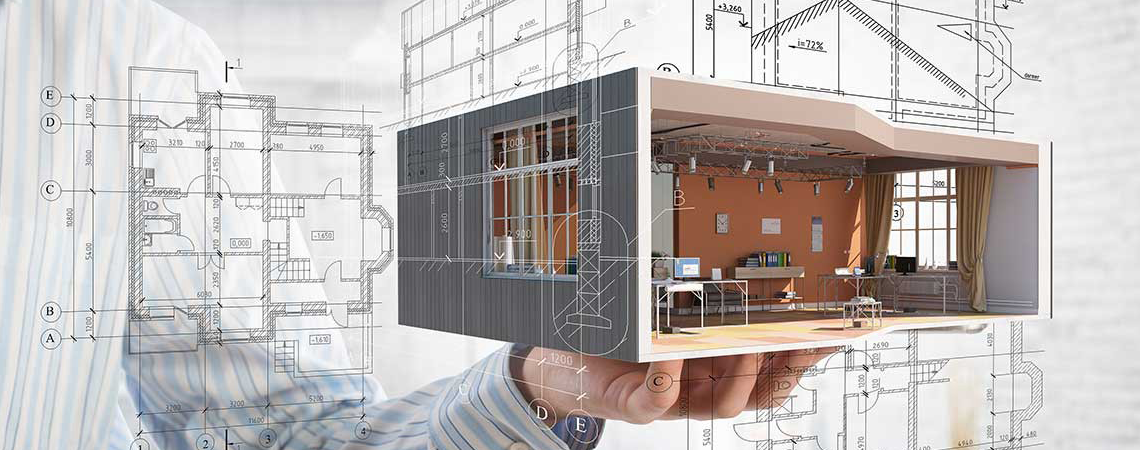
As-built documentation is a set of textual, graphical, and supporting documents showing how construction, installation, and commissioning works were actually performed.
It reflects not how the facility was intended to be built, but how it was built in reality.
The documentation records:
— actual location of structures and utility networks
— completed concealed works
— materials, products, and equipment used
— laboratory test and measurement results
— deviations from design solutions and the procedure for their approval
— acceptance of critical structures
— testing of engineering systems and equipment
— comments from technical and designer’s supervision
— correction of identified deficiencies
Such documentation reflects the actual condition of the facility after completion of the works rather than the planned construction process.
The main purpose of as-built documentation is to provide documentary confirmation that the completed works comply with the design, quality requirements, and the actual condition of the facility.
Verification of reports, logs, as-built drawings, and correspondence between the documentation and the works actually performed is part of technical supervision in construction.
The documentation is used for:
— acceptance of individual stages of construction works
— inspection of works that will later be concealed by subsequent structures
— confirmation of the quality of materials and completed operations
— verification of quantities claimed by the contractor
— technical and designer’s supervision
— transfer of completed works to the client
— acceptance of engineering systems
— commissioning of the facility
— future maintenance, repair, and reconstruction
— determination of responsibility when defects are identified
Construction control requirements are established by Article 26 of the Urban Planning Code of the Republic of Uzbekistan. Construction must be subject to state control, the client’s technical supervision, designer’s supervision, and the contractor’s internal control.
Working documentation should reflect the solutions actually implemented and all approved changes.
As-built markings should make it possible to determine:
— which works were completed without deviations
— which design solutions were changed
— who approved the changes and when
— which document served as the basis for the modification
An unauthorised design change cannot be legitimised simply by adding a note to the drawing. The deviation must be properly approved and linked to supporting documentation.
Work logs record the sequence of construction, conditions under which operations were performed, responsible persons, materials delivered to the site, quality control activities, identified deficiencies, and their correction.
Entries should be made as the works progress. A log completed from memory at the end of construction has limited evidentiary value and usually contains inconsistencies in dates, quantities, and participants.
Concealed works are works whose quality cannot be fully inspected after subsequent operations have been completed without opening or damaging the structure.
These may include:
— preparation of foundations
— reinforcement installation
— waterproofing
— concealed installation of utility networks
— embedded elements
— corrosion protection
— thermal insulation
— other works specified by the design
The list of concealed works inspection reports should be determined in advance based on the design and construction technology.
Inspection must be carried out before the structure is concealed. If the contractor completes the next stage first and only then requests signature of the report, the client can no longer reliably inspect the concealed work without additional opening of the structure.
Structures that affect the reliability, stability, and safety of the facility are subject to separate intermediate acceptance.
Before a critical structure is accepted, the related concealed works, test results, geometric parameters, material quality, and compliance with the design must be checked.
As-built drawings show the actual location of completed structures, elements, and utility networks.
They are especially important for foundations, columns, floor slabs, façade elements, underground utilities, roads, and other structures whose position affects subsequent works.
According to Article 30 of the Urban Planning Code of the Republic of Uzbekistan, the contractor’s internal control includes verification that construction materials, structures, products, and equipment comply with working drawings, passports, certificates, and other quality documents.
The material name, grade, batch, and quantity indicated in the supporting documents must correspond to the actual delivery and site records.
Tests confirm the operability, strength, or other controlled characteristics of structures and systems.
The documentation may include laboratory test reports for construction materials, inspection of welded joints, testing of pipelines, engineering systems, and installed equipment.
Each document should make it possible to identify the item tested, method used, date, result, equipment, and responsible specialist.
After installation and testing are completed, acceptance reports are prepared to confirm that engineering systems are ready for operation.
Before the documents are signed, specialists verify that the installed equipment complies with the design, required test reports are available, the systems are operational, technical passports and instructions are complete, as-built drawings are available, and previously identified deficiencies have been corrected.
Based on the verification results, the readiness of the engineering systems for acceptance and subsequent operation is determined.
If materials, equipment, dimensions, utility routes, or structural solutions were changed during construction, the documentation must include the basis for those changes.
Verbal approval is insufficient because after personnel changes it may become impossible to confirm why a particular design solution was modified.
An as-built documentation register is a consolidated list of all documents transferred to the client.
A properly prepared register makes it possible to quickly check the documentation package, identify missing items, and prepare the formal transfer report.
According to Article 32 of the Urban Planning Code of the Republic of Uzbekistan, the as-built documentation package is included among the documents required for obtaining permission to operate a completed construction facility, together with the acceptance certificate, contractor’s declaration, and conclusions of technical and designer’s supervision.
The final list of as-built documentation is determined according to the purpose of the facility, design solutions, types of completed works, engineering systems, and applicable requirements.
Before construction begins, the project should be divided into individual areas and types of work, after which the required reports, logs, as-built drawings, certificates, and test reports should be identified for each stage.
At the same time, employees responsible for preparing, checking, and signing the documents should be appointed.
A formal order for the project should assign responsibility for maintaining logs, preparing as-built drawings, collecting certificates, coordinating with the construction laboratory, submitting documents to technical supervision, and maintaining the general register.
Responsibility should be assigned personally. Otherwise, by the time the facility is completed, some documents may be lost or remain incomplete.
A clear numbering system should be established for reports, drawings, logs, and test protocols.
The document number should indicate the facility, design section, type of work, building, floor, or work area to which it relates.
A unified numbering system simplifies verification of as-built documentation and makes individual documents easier to locate.
As-built documentation should be maintained in parallel with construction works.
Preparation should not be postponed until the end of the month or completion of the facility, as exact dates, information about materials, measurement results, and signatures of responsible employees may be lost.
Timely preparation of concealed works inspection reports is particularly important because once the structure has been covered, the completed work cannot be fully inspected without opening it.
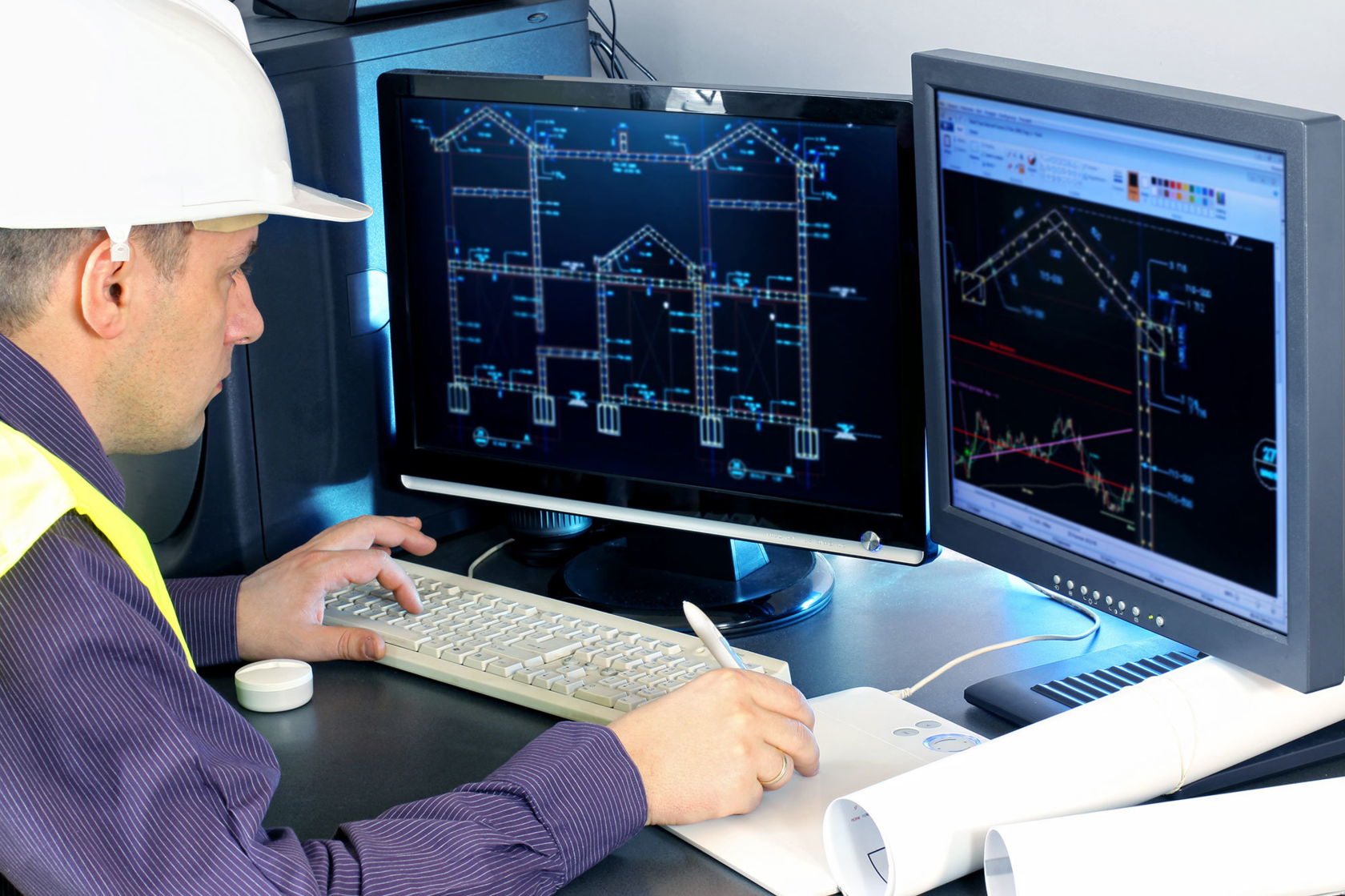
Technical supervision should regularly compare the works actually performed with reports, logs, as-built drawings, certificates, test reports, and design solutions.
The documentation should also be checked against the quantities submitted by the contractor for acceptance and payment.
Regular control allows errors to be corrected during construction instead of reconstructing the entire documentation package immediately before commissioning.
After completion of the works, the as-built documentation is grouped by design sections, facilities, engineering systems, contractors, and construction stages.
Each volume should contain a title page, contents, consecutive page numbering, and a reference to the general as-built documentation register.
Requirements for as-built documentation are determined by applicable regulations, the design, the contract, and the agreed document management procedure for the project.
Each document should correctly specify the name and address of the facility, information about the client and contractor, type of completed work, exact reference to the work area, floor, axes, or room, reference to the relevant design drawing, dates of work, materials used, and test results.
Documents should contain signatures of authorised specialists, a list of attachments, and information allowing the report to be linked to the relevant as-built drawing, material certificate, test report, and design solution.
Unexplained corrections, discrepancies between paper and electronic versions, incorrect dates, and missing signatures reduce the reliability of the documentation package and may result in rejection during acceptance.
Verification of as-built documentation in construction should be cross-referenced.
It is not enough to confirm that a required report exists. Its connection with the actual completed work, design, logs, drawings, materials, and payment documentation must also be verified.
The first step is to determine whether the contractor has submitted all required documents.
Specialists check for reports, logs, as-built drawings, certificates, passports, test reports, engineering system documentation, approvals of changes, and the general register.
A list of missing as-built documents is then prepared for each type of work.
The facility details, numbering, dates, signatures, design references, names of structures, list of attachments, and authority of the signatories are checked.
A report containing an incorrect facility address, work area, or drawing reference cannot be considered reliable evidence of the completed stage.
Dates in the documents must correspond to the construction technology.
Incoming inspection of materials must take place before they are used, concealed works must be accepted before they are covered, tests must be carried out after installation is completed, and final acceptance documents should only be signed once all supporting documents are available.
Incorrect sequencing of dates often indicates that documents were prepared retrospectively.
As-built drawings, reports, logs, and the actual condition of the facility are compared with the approved design solutions.
If a deviation is identified on site, it must be supported by an approved design change.
Without such documentation, the completed solution cannot be regarded as fully confirmed.
Material documentation is compared with the design and actual deliveries.
The grade, manufacturer, batch, quantity, validity of certificates, and incoming inspection results are checked.
A certificate for a different material or batch does not confirm the quality of the product actually used on the facility.
The contractor’s as-built documentation is compared with actual completed quantities and payment documents.
The relevant areas, quantities, dates, and as-built drawings are checked, as well as whether the same work has been submitted for payment more than once.
When documentation must be compared with actual quantities, estimates, and costs submitted by the contractor, financial and technical control of construction is carried out.
Transfer of the complete as-built documentation package to the client should be formalised by a separate transfer certificate.
The certificate should specify the name of the facility, details of the transferring and receiving parties, basis for the transfer, list of volumes, number of documents and pages, transfer format, availability of originals and copies, identified comments, date of transfer, and signatures of authorised representatives.
The as-built documentation register should be attached to the transfer certificate so that the client can verify the composition and completeness of the materials received.
Physical transfer of folders or electronic files does not automatically mean acceptance of their contents. The client has the right to verify completeness, correct preparation, compliance with the design, and correspondence with the works actually performed.
Acceptance and payment for works without a complete supporting documentation package creates direct risks for the client.
Without as-built documentation, it is difficult to confirm which materials were used, where concealed utility networks are located, who accepted concealed works, whether required tests were performed, whether the structures comply with the design, which deviations were approved, and which quantities were actually completed.
For commissioning of a completed construction facility, the Urban Planning Code of the Republic of Uzbekistan expressly includes the as-built documentation package among the documents required to obtain permission for operation.
Operation of a facility without an approved acceptance certificate and permission from the territorial inspection is not permitted.
Verification of as-built documentation in Tashkent allows the client to identify contractor errors, missing documents, and unconfirmed quantities before signing final acceptance documents and commissioning the facility.
Specialists check the completeness of reports, logs, as-built drawings, certificates, material passports, and test reports, and compare them with design solutions, actual completed works, and quantities submitted by the contractor.
The verification may identify missing reports, errors in dates and details, discrepancies between as-built drawings and the actual position of structures, unconfirmed materials, violations of the technological sequence, absence of approvals for design changes, and inconsistencies between the documents and the actual condition of the facility.
As a result, the client receives a list of missing documents, identified violations, comments for the contractor, recommendations for correcting deficiencies, and an assessment of whether the as-built documentation is ready for acceptance and project completion.
Verification is recommended throughout construction rather than immediately before completion. This makes it possible to correct violations before structures are concealed, unconfirmed quantities are paid for, or the commissioning procedure begins.
To order verification of as-built documentation, submit a request on the technical supervision services page. Engineering Services specialists will assess the scope of verification and prepare a proposal for the required work.
As-built documentation confirms the actual execution of works, the facility’s compliance with the design, and the quality of materials used.
Regular verification of documentation during construction reduces the risk of unconfirmed quantities, disputes with contractors, delays in acceptance, and additional costs.
 0
0 Похожие статьи