


Заполните Ваши данные, мы с вами обязательно свяжемся

Contact


Contact
Modern construction projects involve the coordinated efforts of clients, designers, general contractors, subcontractors, and suppliers. Dozens of activities take place simultaneously on a single construction site, and the quality of the final result depends on effective coordination among all participants.
When relying solely on paper-based logs, separate reports, and correspondence, obtaining a comprehensive overview of the project’s status in a timely manner becomes difficult. Issues may be communicated with delays, deadlines for resolving them may be monitored inconsistently, and recurring violations may go unnoticed.
Digital construction control makes it possible to organize the collection, documentation, and analysis of construction progress information within a unified system. Data on identified defects, responsible contractors, and inspection results becomes more accessible to project participants. This simplifies communication between clients and contractors, helps monitor the quality of construction and installation work, and enables the timely identification of deviations.
Digital construction control involves the use of specialized information systems to document construction processes, record issues, monitor quality, and analyze work progress.
Unlike scattered spreadsheets and correspondence, a centralized platform makes it possible to organize project information and use it to support management decisions.
Depending on the system’s functionality, digital construction control may include:
— recording identified defects and violations;
— photographic documentation of structural elements and completed construction work;
— assigning identified issues to responsible contractors;
— setting deadlines for correcting deficiencies;
— monitoring the status of corrective actions;
— generating statistics on the number and nature of recorded issues;
— analyzing recurring violations and the causes of schedule delays;
— providing clients with remote access to information about construction quality.
The primary objective of digitalization is not to replace engineering supervision with software, but to improve process transparency. The system helps preserve inspection records, establish responsibility for correcting deficiencies, and prevent important information from being lost between project participants.
The need for digitalization becomes particularly evident on large construction sites where several contracting organizations operate simultaneously. Without a standardized procedure for recording and processing issues, clients may find it difficult to determine which violations remain unresolved, who is responsible for addressing them, and whether corrective actions are being completed on time.
A digital system helps solve several practical tasks.
Identified violations are registered in the system with a description of the problem and its location. Photographs and other supporting materials may be attached when necessary to help identify the defect.
This reduces the risk of information loss and simplifies the communication of issues to responsible contractors.
A responsible organization or individual is assigned to each recorded issue. This allows the client to track task allocation among contractors and assess whether obligations are fulfilled on time.
If the same organization repeatedly commits similar violations, statistical data helps identify the pattern and implement organizational measures.
After an issue is registered, a deadline is established for corrective actions. The task status is then monitored to determine whether work is in progress, whether the violation has been corrected, and whether the quality of the correction has been verified.
This approach helps prevent unresolved issues from accumulating before individual construction stages are accepted.
A digital system allows information to be collected about problems arising during construction work. Comparing these records helps identify which processes most frequently cause delays.
Possible causes include failure to correct defects on time, insufficient coordination between contractors, repeated execution of certain operations, or delays in approving decisions.
Clients can review registered issues and the results of corrective actions without constantly requesting separate reports from construction participants.
This is particularly important for investors and developers managing multiple projects or those who cannot regularly visit every construction site.
The practical value of a digital platform depends on how comprehensively it reflects construction processes. The goal is not simply to collect information, but to organize it so that the client can assess the project’s condition and identify areas requiring attention.
| Area of Control | Data Recorded | Purpose |
|---|---|---|
| Construction and Installation Work Quality | Issues, defects, photographs, and inspection results | Identification of violations and monitoring of corrective actions |
| Contractor Performance | Responsible organizations, assignment of issues, and completion deadlines | Assessment of contractor discipline and performance efficiency |
| Defect Resolution | Issue status, deadlines, and results of follow-up inspections | Monitoring the implementation of corrective measures |
| Construction Schedule | Information about schedule delays and problematic processes | Identification of the causes of delays |
| Analytics | Number and nature of recorded issues, recurring violations | Identification of systemic problems |
| Reporting | Inspection history and control results | Informing the client and supporting decision-making |
The scope of monitored indicators is determined by the project’s objectives and the capabilities of the platform being used. It is not necessary to transfer absolutely all construction documents into the digital system. Priority should be given to automating processes where timely information recording, assignment of responsibilities, and performance monitoring are particularly important.
Implementing a digital system must be accompanied by the establishment of clear operating procedures. If project participants use the platform differently, information quickly becomes outdated, while issues continue to be resolved through informal correspondence.
The workflow can be organized into several consecutive stages.
Before work begins, the structure of the construction project, its participants, areas of control, and procedures for recording issues are defined.
Categories of violations, rules for assigning responsible parties, deadlines for correcting deficiencies, and reporting formats are also agreed upon.
Specialists carry out inspections on the construction site. When deviations are identified, they record the problem, specify its location, and attach supporting materials.
It is important that digital records are based on actual inspections rather than assumptions or reports from third parties.
Registered issues are assigned to the relevant contractors or individuals. A deadline for implementing corrective actions is established for each task.
This helps prevent situations where a violation has been recorded but no specific organization has been assigned responsibility for correcting it.
After corrective work has been completed, a follow-up inspection is conducted. If the deficiency has been corrected and the result meets the required standards, the issue is closed. If the violation persists, the task remains open until the necessary corrective measures have been completed.
Collected information is used to analyze construction quality, contractor discipline, and the causes of delays. Based on reports, the client can identify problematic areas and make adjustments to the organization of construction processes.
One of the main advantages of digital construction control is the ability to analyze not only individual violations but also the overall quality of construction work.
For example, if similar defects are regularly identified on several floors of a building, this may indicate a systemic problem with construction methods, quality control procedures, or the qualifications of workers.
Without collecting and comparing information, such patterns are more difficult to identify. A digital system makes it possible to detect recurring issues and determine where additional attention is required.
The following capabilities are particularly important for improving construction quality:
— Faster response times. Information about identified violations is communicated to responsible contractors more quickly.
— Improved contractor discipline. Each issue is assigned to a specific responsible participant.
— Monitoring recurring violations. Analysis of inspection history helps identify systematic errors.
— Transparency for the client. Information about construction quality and issue resolution status is available in a structured format.
— Reduced risk of defect accumulation. Deadline monitoring and follow-up inspections help ensure that deficiencies are corrected before proceeding to subsequent construction stages.
However, a digital system alone does not guarantee the absence of construction defects. Results depend on the qualifications of specialists, the thoroughness of inspections, and the timely implementation of corrective measures.
For an objective assessment, knowing only the total number of registered issues is not sufficient. Their nature, recurrence, resolution times, and distribution among contractors must also be considered.
The following analytical indicators may be used:
— number of issues identified during the reporting period;
— percentage of resolved and unresolved violations;
— average time required to complete corrective actions;
— number of recurring issues associated with the same type of work;
— distribution of violations among contracting organizations and areas of the construction site;
— main causes of delays and accumulation of incomplete tasks.
For example, a large number of recorded issues does not always indicate poor construction quality. It may be associated with more intensive inspections or a greater level of detail in quality control. Therefore, indicators should be evaluated together, taking into account the volume of completed work and the number of inspections conducted.
When discussing digitalization in construction, several different areas are often confused: Building Information Modeling (BIM), technical supervision, project management, and digital monitoring. They can be used together but serve different purposes.
Digital construction control focuses on recording issues, monitoring their resolution, and analyzing the quality of construction and installation work. It enables the systematization of inspection results, tracking of contractor responsibilities, and access to information about the condition of the construction site.
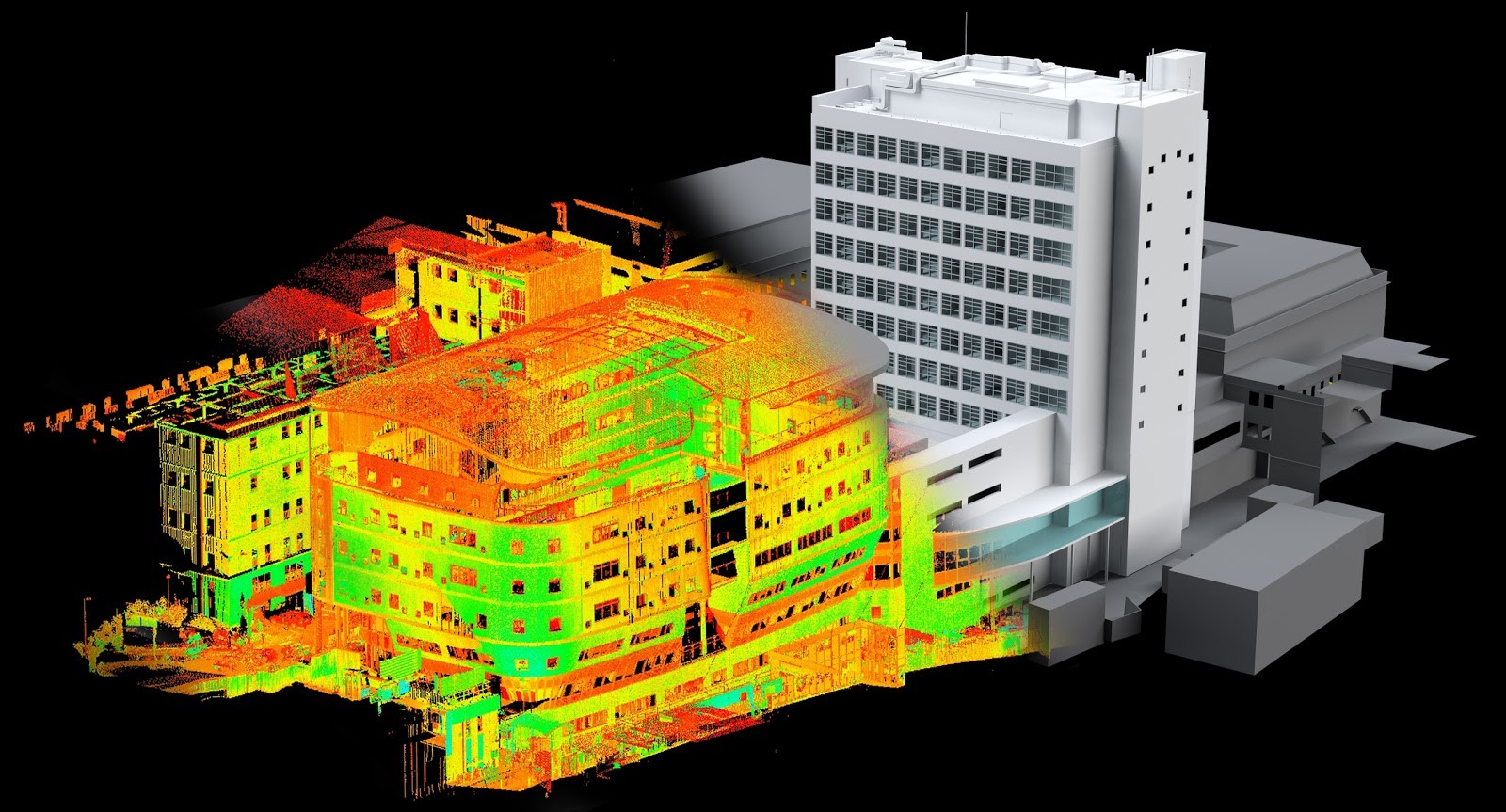
BIM modeling is used to integrate architectural, structural, and engineering solutions into a unified digital building model. Such a model helps coordinate design decisions and identify potential inconsistencies during the design stage. More information about this technology can be found in the article “Building Information Modeling and BIM Design”.
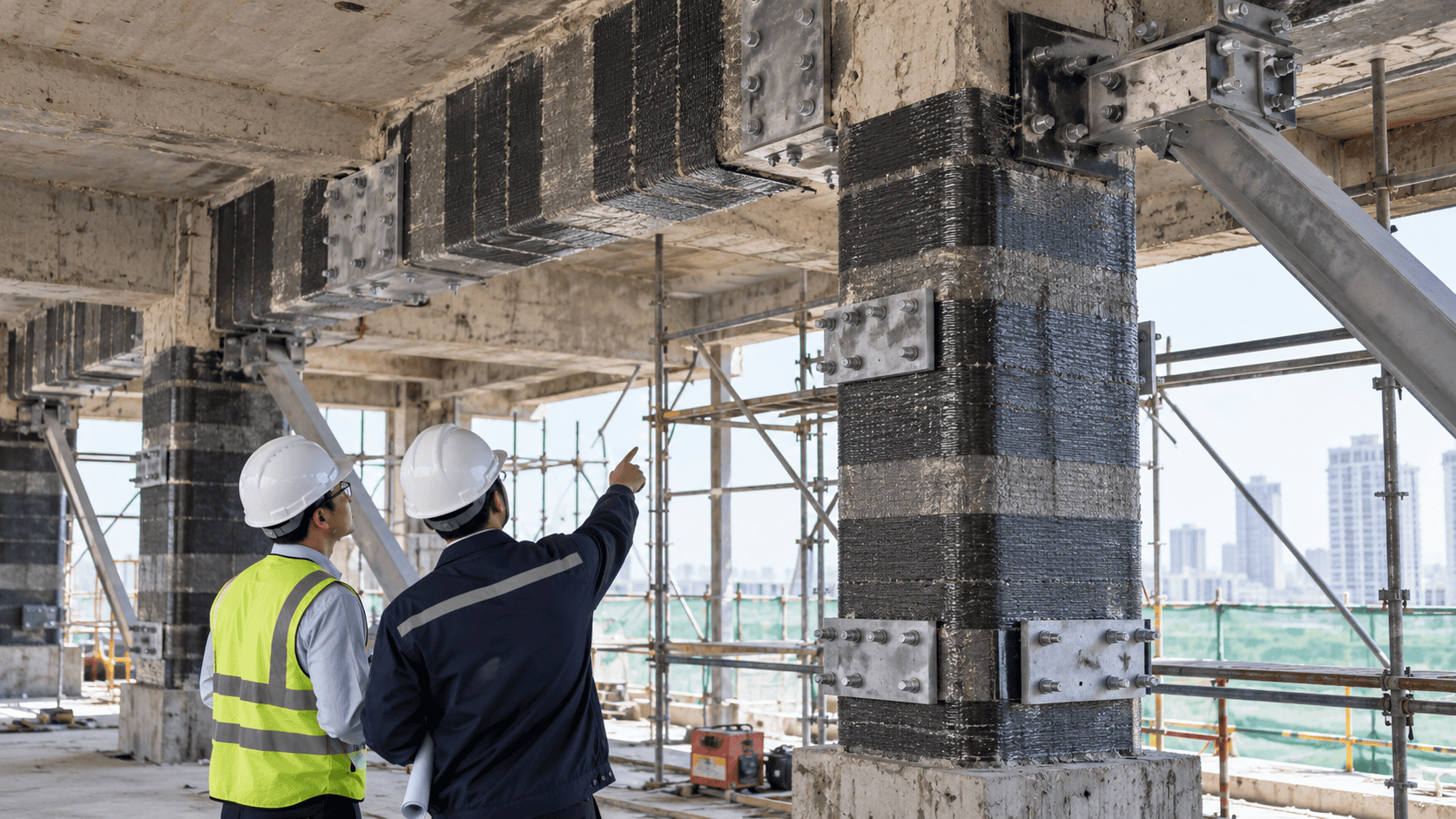
Technical supervision involves direct inspection of construction work, materials, and compliance with design documentation. A digital platform can be used to record inspection results and monitor the correction of identified issues, but it does not replace on-site inspections or professional engineering assessments. More information is available on the technical supervision services page.
Project management covers a broader range of tasks, including schedule and budget planning, resource allocation, coordination of project participants, risk management, and monitoring project execution. More information about this area is available on the construction project management page.
Thus, digital construction control serves as a tool for organizing information about construction inspections and work results. It provides the greatest effectiveness when combined with professional technical supervision and efficient project management.
When selecting a platform, it is important to evaluate not the number of available features but how well the system meets the actual needs of the construction project.
The first step is to determine which processes require digitalization. For one project, the priority may be defect recording and contractor monitoring, while for another, it may be issue analytics and remote access to inspection results for the client.
Before implementation, several criteria should be evaluated:
— Issue recording. The system should allow violations to be recorded with their location and a detailed description.
— Assignment of responsibilities. It should support assigning responsible parties and monitoring deadlines for correcting deficiencies.
— Photographic documentation and history. It is important to preserve supporting materials and the history of changes to issue statuses.
— Analytical capabilities. The platform should help evaluate recurring violations, issue distribution, and the causes of schedule delays.
— Access for project participants. Clients, inspection specialists, and contractors should have access to information according to their responsibilities and authority.
— Reporting. Data should be suitable for analysis and the preparation of regular reports on the condition of the construction project.
It is also necessary to establish information management procedures in advance: who has the authority to create and close issues, who verifies that defects have been corrected, and who is responsible for keeping information up to date.
Engineering Services applies a digital approach to construction process control using the DES platform. The solution is designed to improve the transparency of construction activities, document identified issues, and analyze the quality of construction and installation work.
Digital construction control capabilities include:
— remote monitoring of identified issues and their resolution status;
— obtaining statistics on the number and nature of violations;
— identifying recurring errors made by construction participants;
— analyzing the causes of schedule delays;
— increasing the accountability of general contractors and subcontractors;
— providing clients with information about construction quality.
The digital system makes it possible to use inspection results not only to record individual deficiencies but also to analyze the overall organization of construction processes.
More information about DES capabilities and the conditions for implementing the solution is available on the digital engineering design and construction management page.
 0
Похожие статьи